Hackney’s Victorian terraces and maisonettes often have an under-used lower-ground floor or cellar. Converting or extending it is one of the most effective ways to add space, but it involves underpinning, waterproofing, daylight, ventilation and the neighbours’ foundations, which all need to be designed together.
What a Hackney basement involves
- Planning: new basements and lower-ground extensions usually need planning permission. Hackney expects a construction method statement, careful spoil management and an energy-efficient design.
- Structure and party walls: underpinning party walls needs notices and awards with each neighbour before excavation.
- Waterproofing: a drained cavity system with sump pumps is the most common approach in London clay, often combined with tanking.
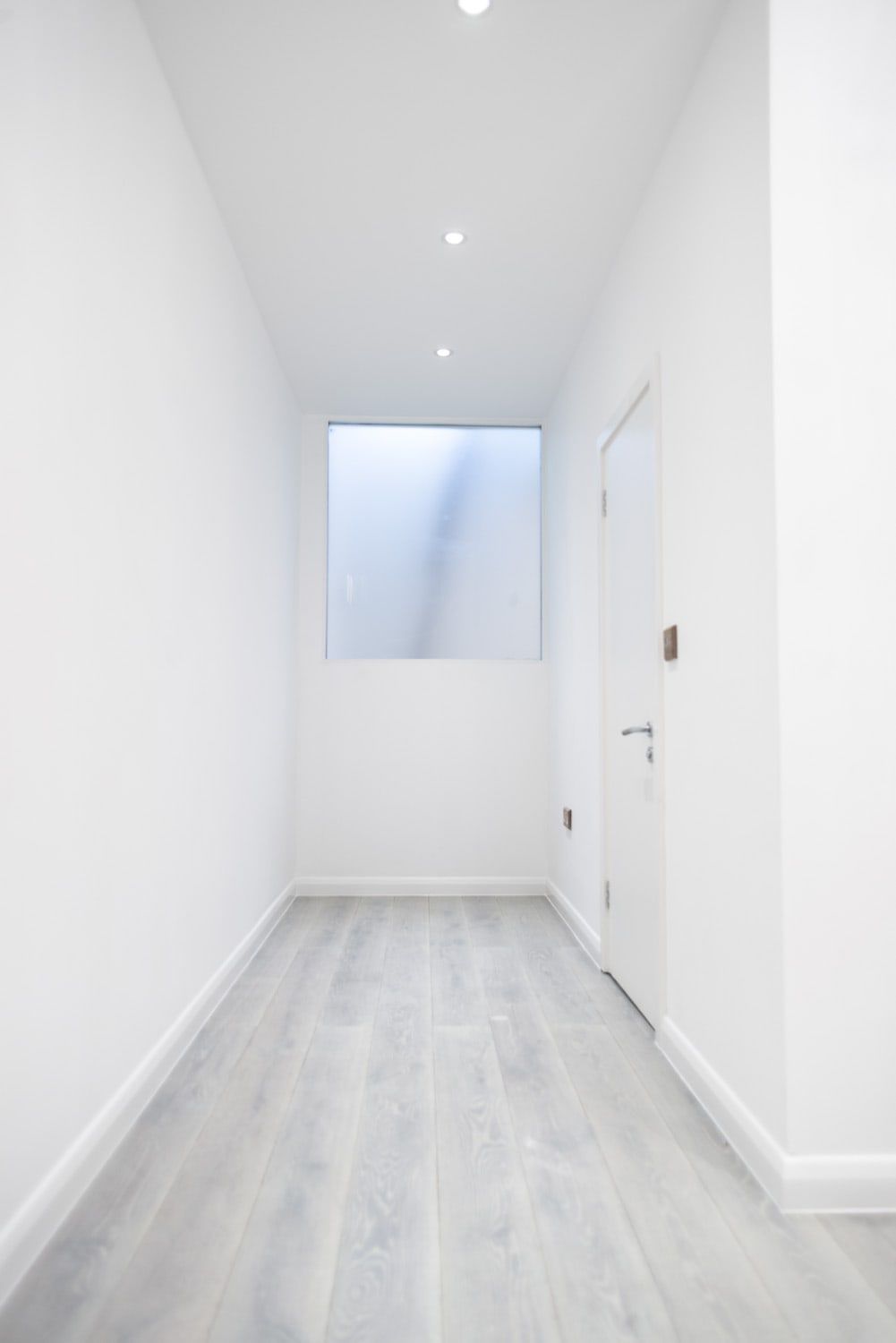
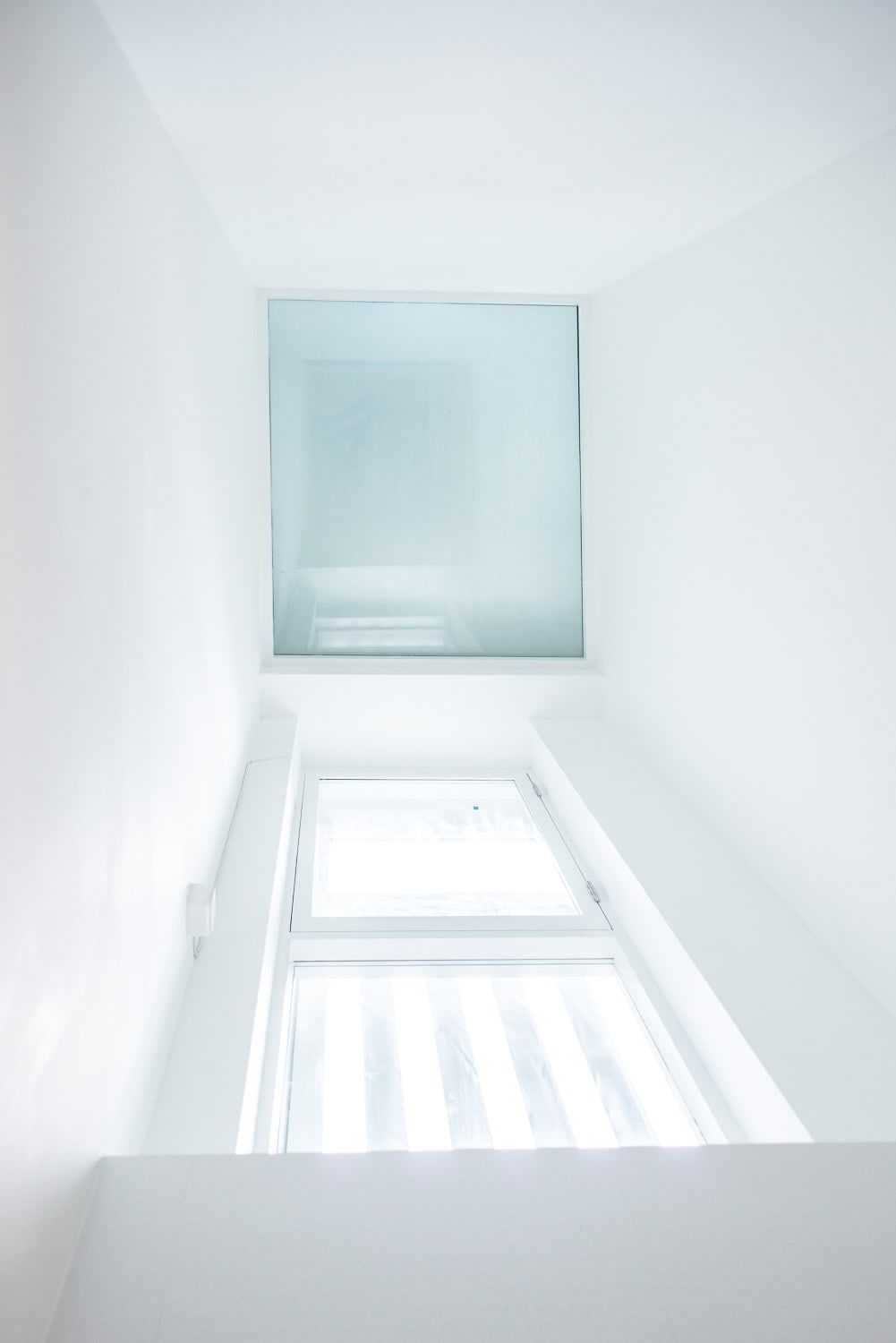
- Daylight: pavement lights, glass floor panels, lightwells and glazed rear walls make the difference between a basement and a room.
- Ventilation and heating: MVHR and radiant or underfloor heating keep a lower floor comfortable all year.
Case study: Evering Road
A two-storey maisonette with a new lower-ground extension:
- pavement skylights over a new utility and storage room, and glass floor panels bringing daylight down
- MVHR with Trox attenuators, and Naturbo clay radiant heating to walls and ceilings
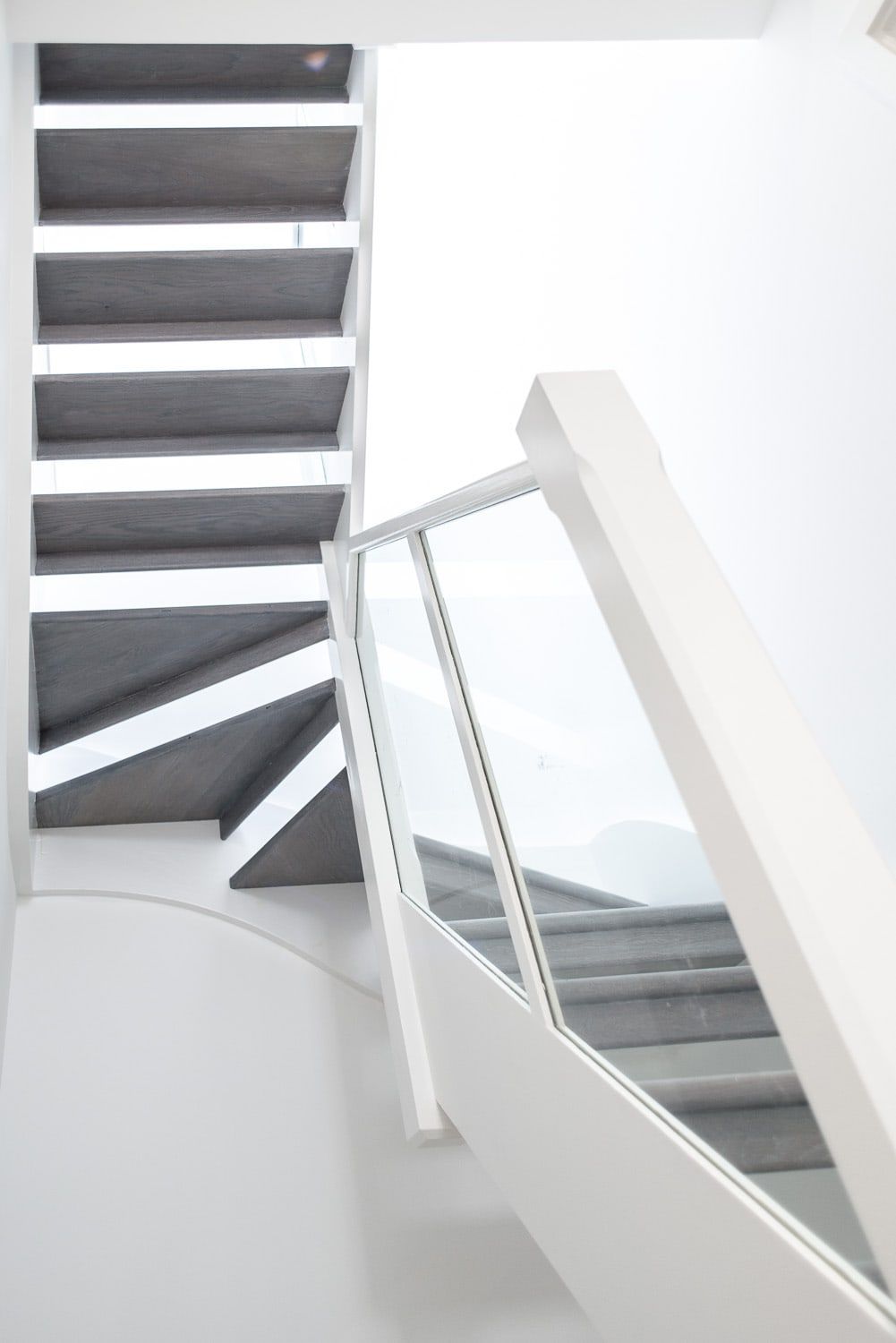
- laser-cut steel staircase, Iroko timber facade with aluminium glazing and bi-fold doors
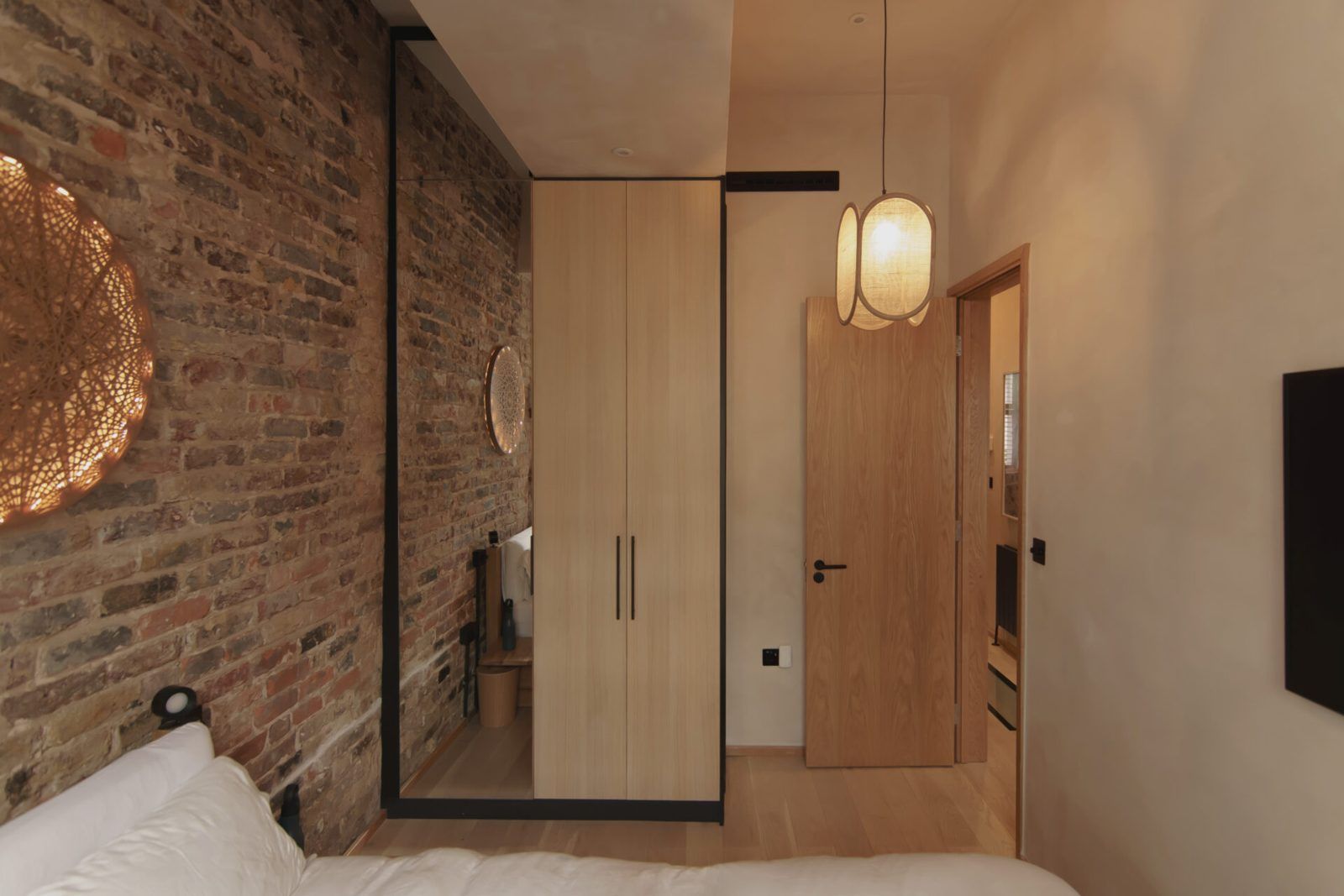
- natural clay plaster, exposed brick, bespoke plywood joinery and a reclaimed-brick garden
Cost
Construction rates for a cellar conversion start from around £1,200 per m². A new basement under an existing house is typically £2,400–£4,420 per m², before fees, party wall costs, contingency and VAT. See basement conversion cost in London or use the project cost calculator.