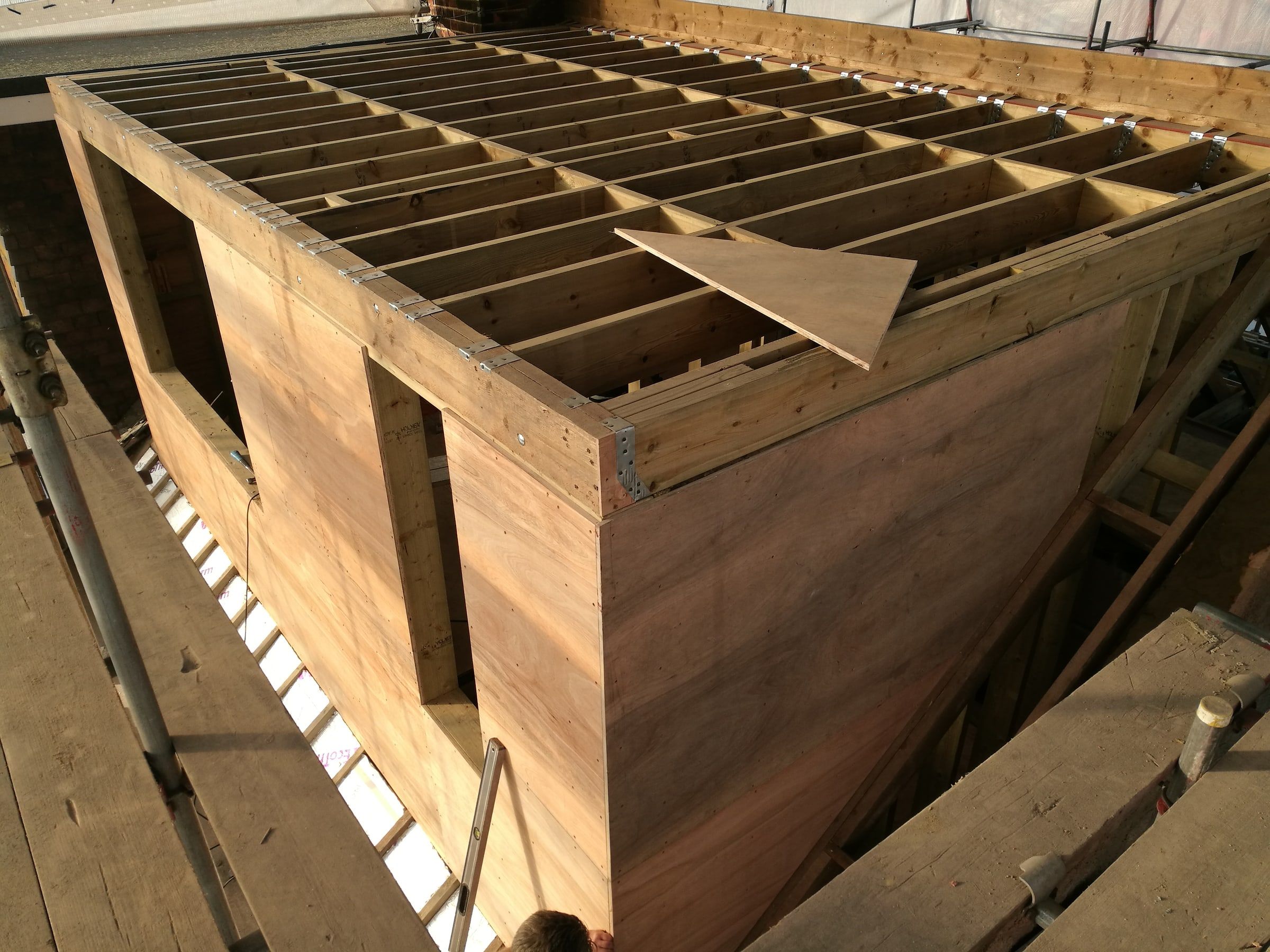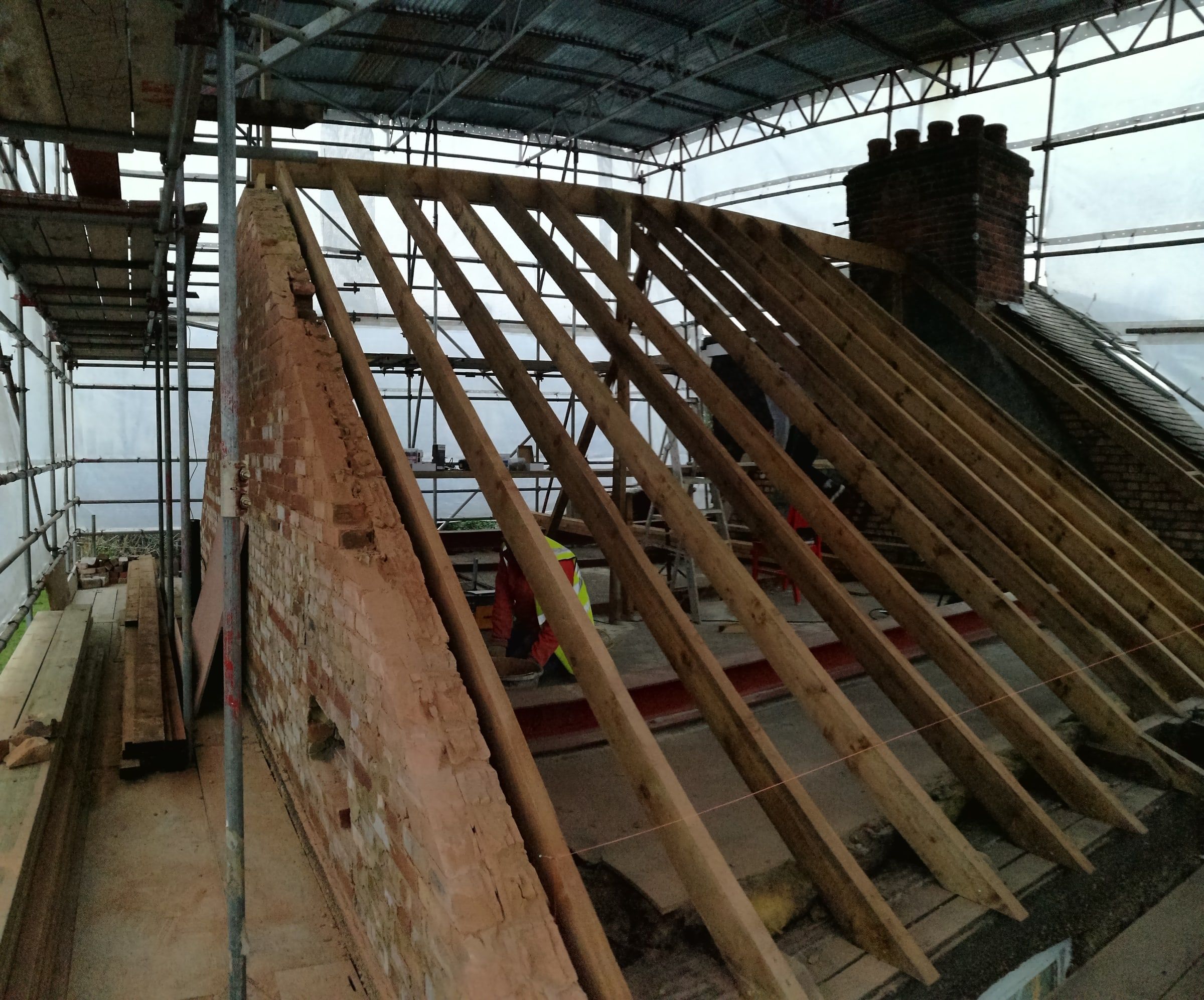
Removing a chimney, whether the stack, the breast or both, is a big decision during a renovation. It can free up floor space and allow a better layout, but it is structural work with legal requirements. This guide explains the permissions, the process, the support that has to go in and what it typically costs.
Why remove a chimney?
- More usable floor space in living rooms and bedrooms
- Removing a source of damp or cold bridging from an unused flue
- Opening up walls for a more flexible or open-plan layout
- Room for better insulation, and cleaner wall and ceiling lines
- Simplifying the layout when heating is replaced
Do you need permission?
Planning permission
Removing a chimney breast inside a house does not normally need planning permission. You will need it, or listed building consent, if:
- the property is listed, or in a conservation area where the stack is part of the roofline
- you are removing or altering a stack that is visible from the street
- you live in a flat, where the freeholder’s consent is also needed
Building Regulations
Removing all or part of a chimney breast is structural work, so Building Control must be notified and will inspect it. The work must provide:
- adequate support for any masonry left above
- safe closure of flues, with ventilation where a gas appliance was served
- fire separation between floors
Party Wall etc. Act 1996
Most chimney breasts in terraced and semi-detached houses are built into the party wall. Removing them, or inserting a beam into the shared wall, needs a party wall notice to be served on the neighbour before work starts. The neighbour can consent, or surveyors are appointed to agree an award.
How a chimney is removed, step by step
- Structural assessment. A structural engineer confirms what the breast and stack support and designs any beam or bracket needed.
- Isolate the flues. Gas appliances are disconnected by a Gas Safe engineer, and flues that stay in use are kept clear and sealed.
- Scaffold and dust protection. Scaffold for any roof-level work. Internally, the work area is sealed and furniture protected.
- Remove the stack (if full removal). Work from the top down, taking bricks out by hand, and re-roof over the opening. Never undermine a stack from inside the loft.
- Remove the internal breast. Work floor by floor from the top down, using hand tools to avoid damaging the party wall and floors.
- Install support (if the stack stays). Where the breast is removed below a stack that remains, the masonry above must be carried on steel: a beam or gallows brackets, as designed by the engineer.
- Make good. Patch walls, reinstate floors, ceilings and skirtings, then redecorate. Building Control signs off the work.
Supporting the chimney above
If you remove the breast but keep the stack, the brickwork above still needs support. Depending on the size of the stack and the walls available, the engineer may specify:
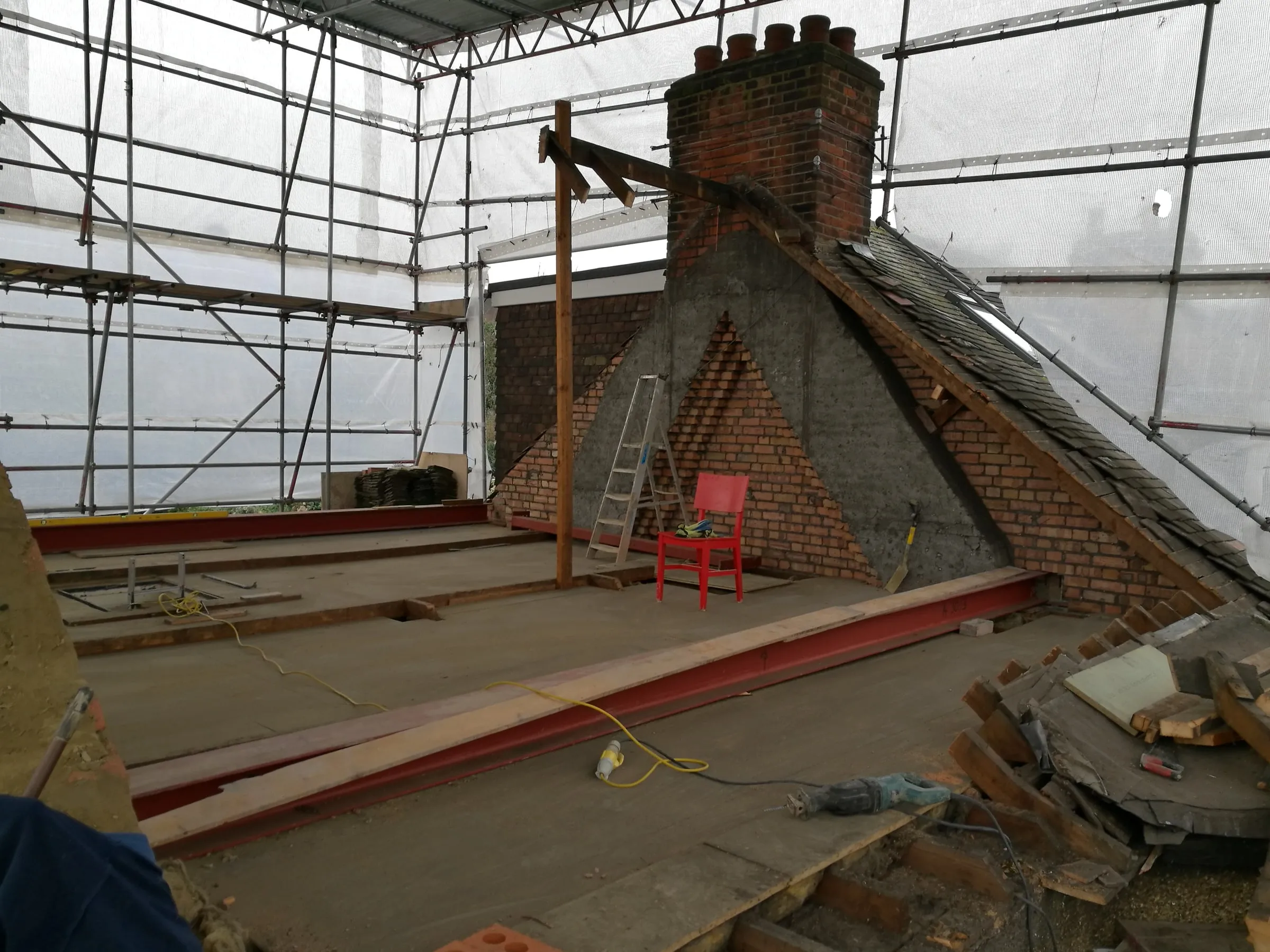
- a steel beam spanning between walls, on padstones
- gallows brackets, which are only acceptable in limited situations and must be justified by the engineer
- lintels and padstones to spread loads into sound masonry
Keep the engineer’s drawings and calculations and the Building Control completion certificate. You will need them when you sell the house.
Typical costs
| Job | Typical cost |
|---|---|
| Chimney breast removal, one floor | £1,500 – £3,000 |
| Chimney breast removal, two floors | £3,500 – £5,500 |
| Chimney stack removal only | £1,000 – £2,500 |
| Full removal: stack and breasts | £4,000 – £6,500 |
| Support beam installation | from £800 |
Costs depend on the property type, access to the stack, the number of floors, structural complexity and party wall requirements. Engineer’s fees, party wall surveyors and Building Control fees are additional.
FAQs
How much does it cost to remove a chimney breast?
Typically £1,500–£5,500, depending on size, the number of floors and the structural work required.
Do I need planning permission to remove a chimney?
Usually not for an internal chimney breast in a house. You do if the building is listed, in some conservation areas, or if you alter the roofline.
Can I dismantle a chimney myself?
Anything structural, or anything involving a shared wall, should be done by professionals, with an engineer’s design, Building Control and the party wall process in place.
Do I need a structural engineer?
Yes, whenever any part of a chimney breast that supports masonry above is removed.
Can you remove a chimney breast in a flat?
Yes, but you will need the freeholder’s consent and usually party wall agreements, and the breast often supports the flat above. It is more complex than in a house.
Planning a chimney removal as part of a bigger project?
Chimney removal is often done alongside a loft conversion, a house extension or a full refurbishment. Doing it as part of the main works means one engineer’s design, one Building Control application and one round of making good. Contact us to discuss your project.