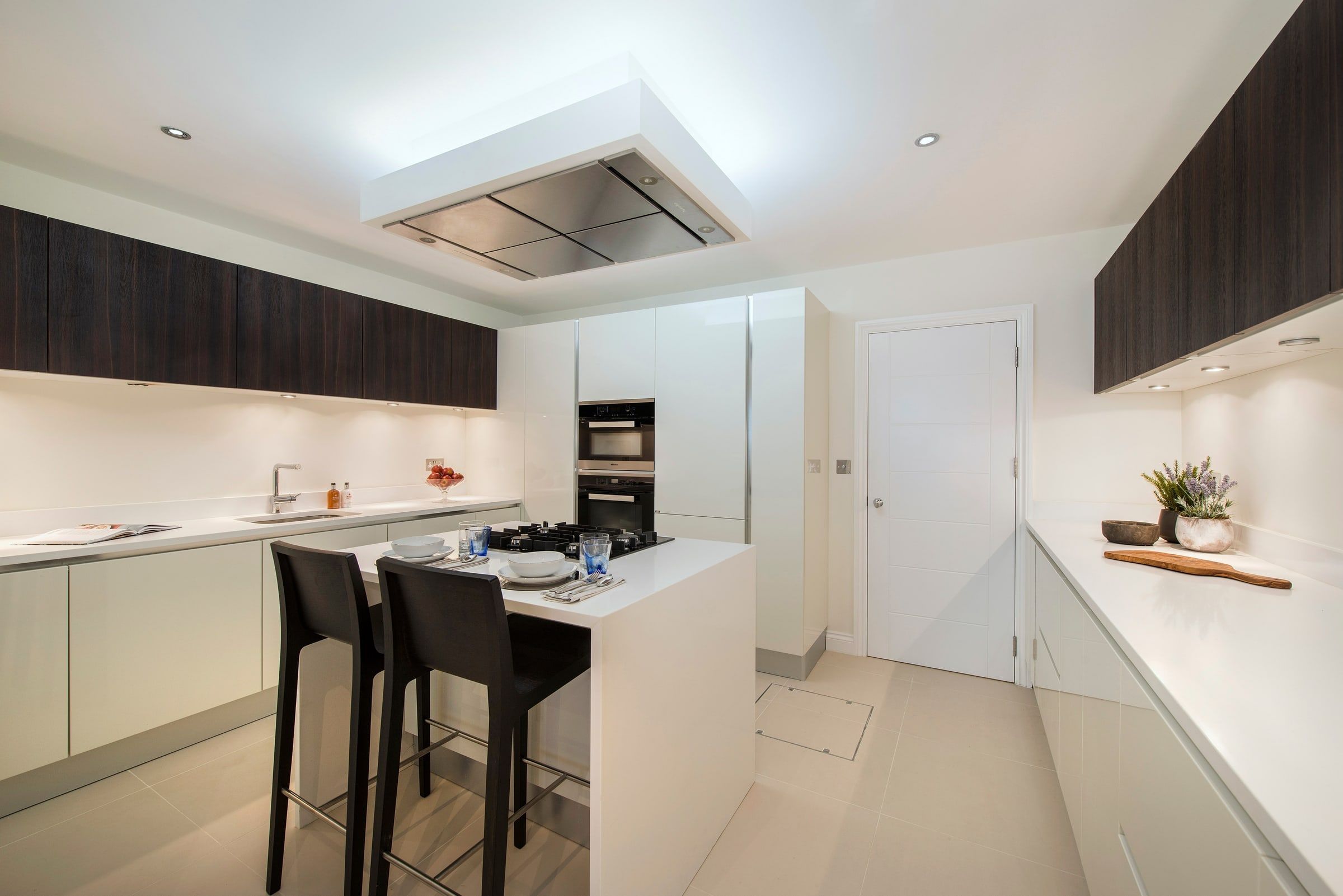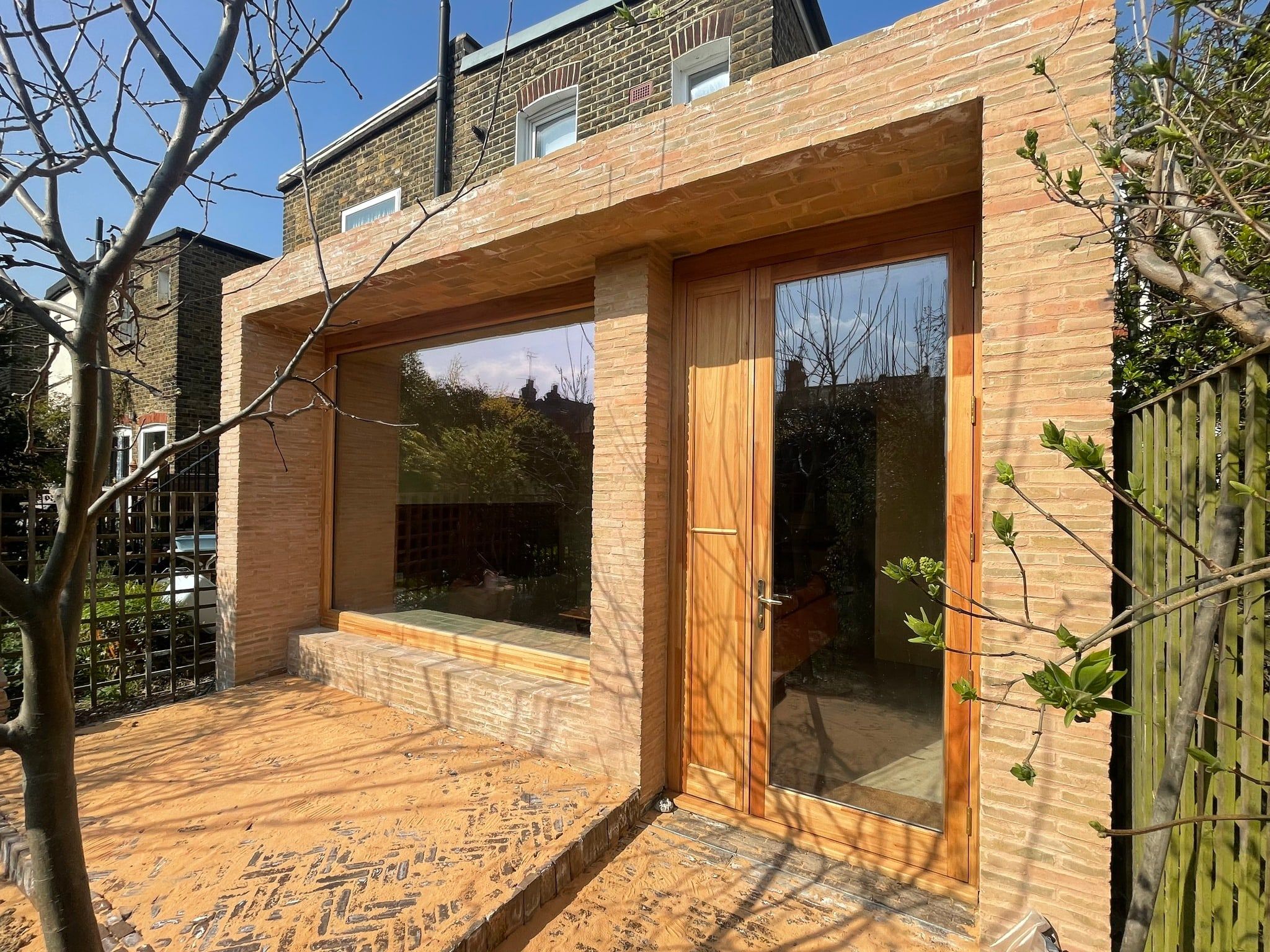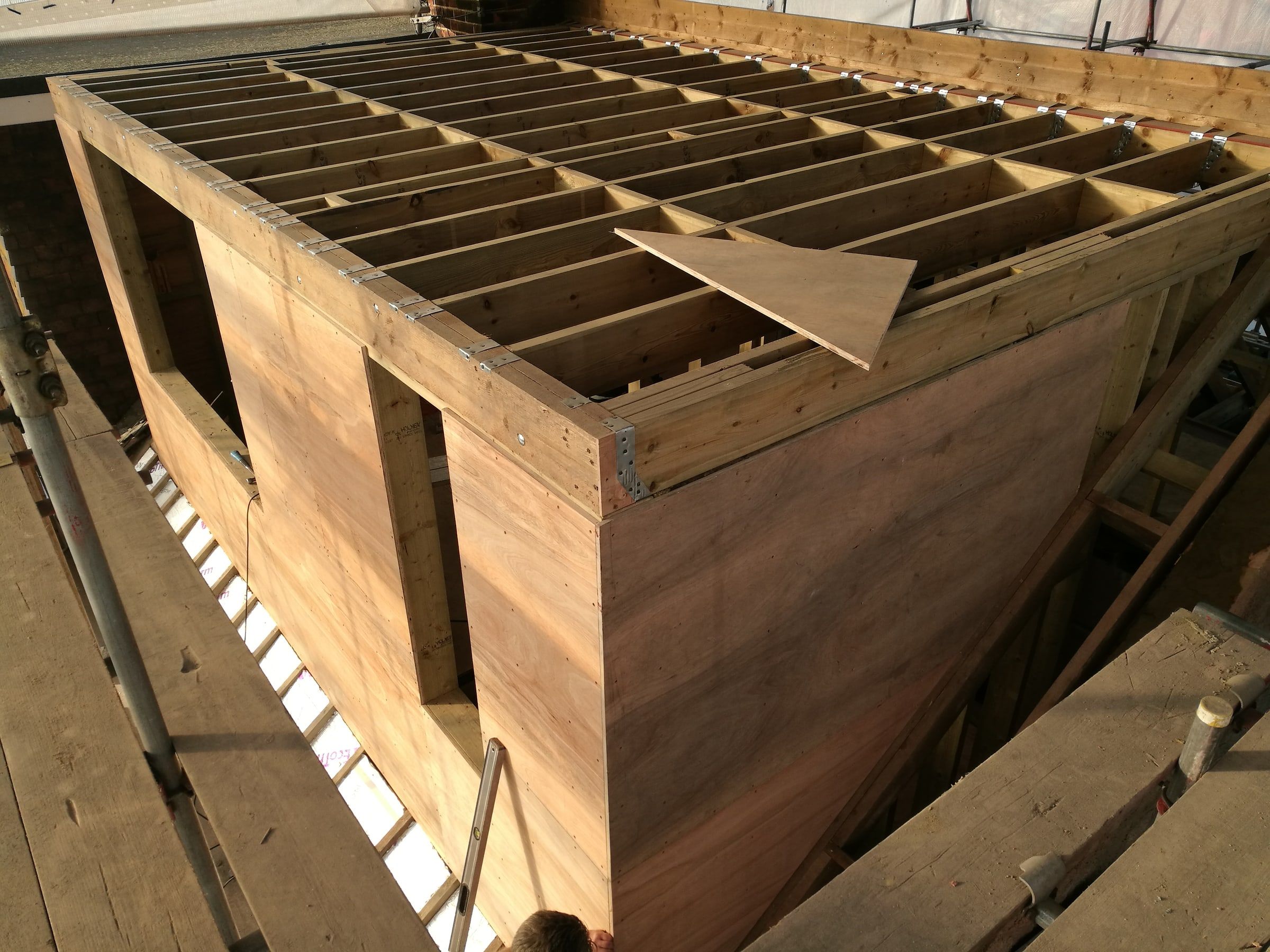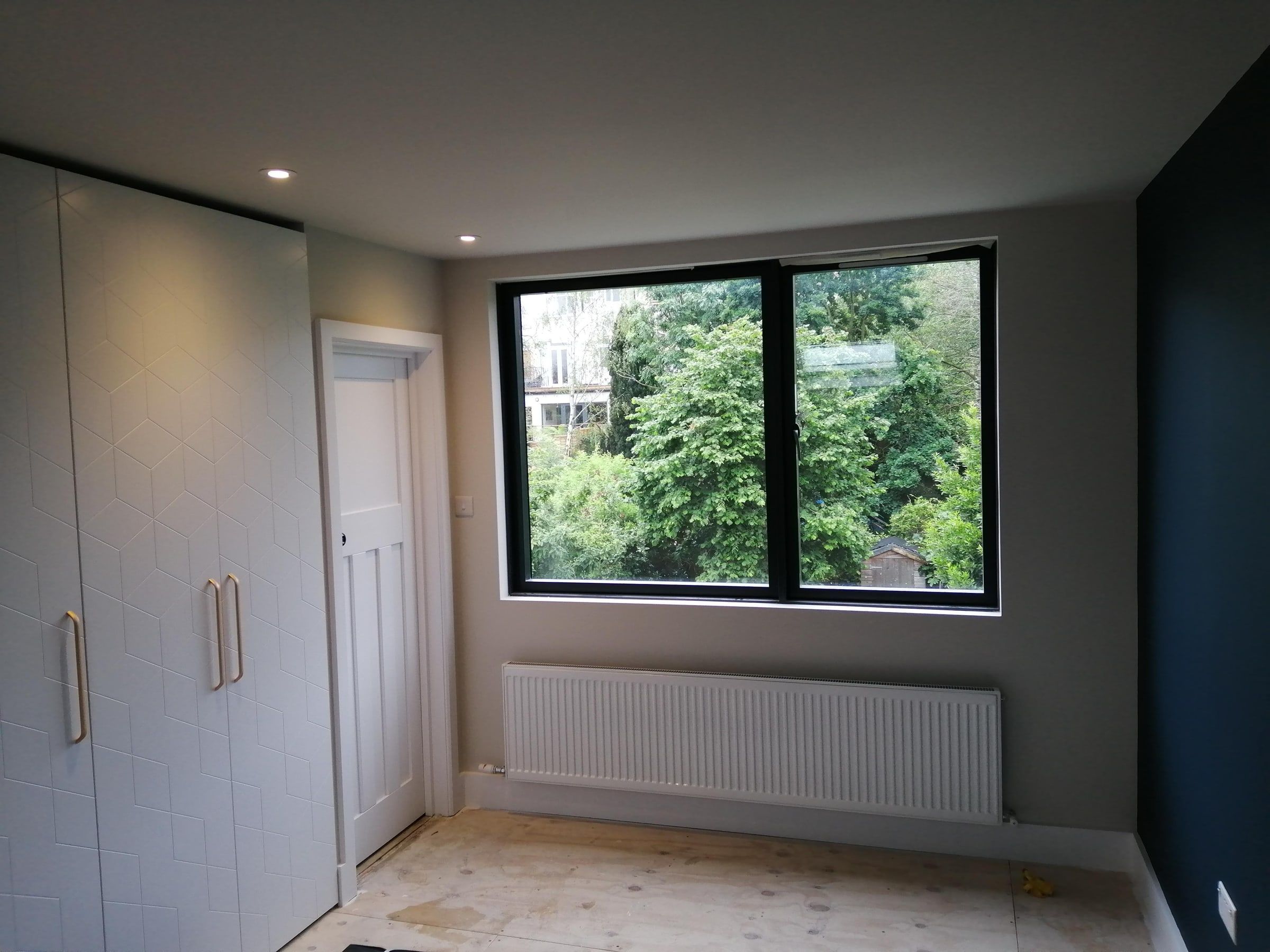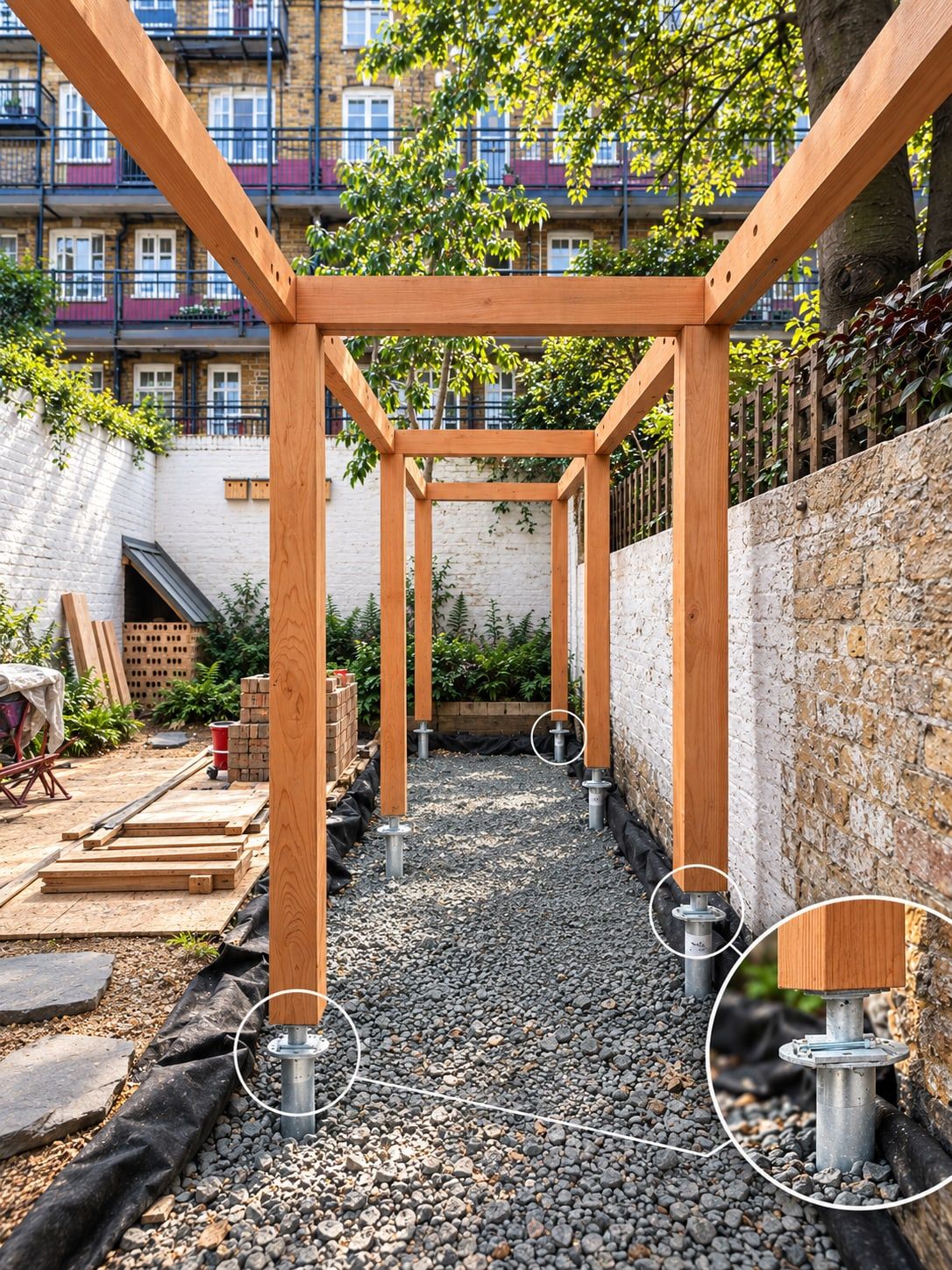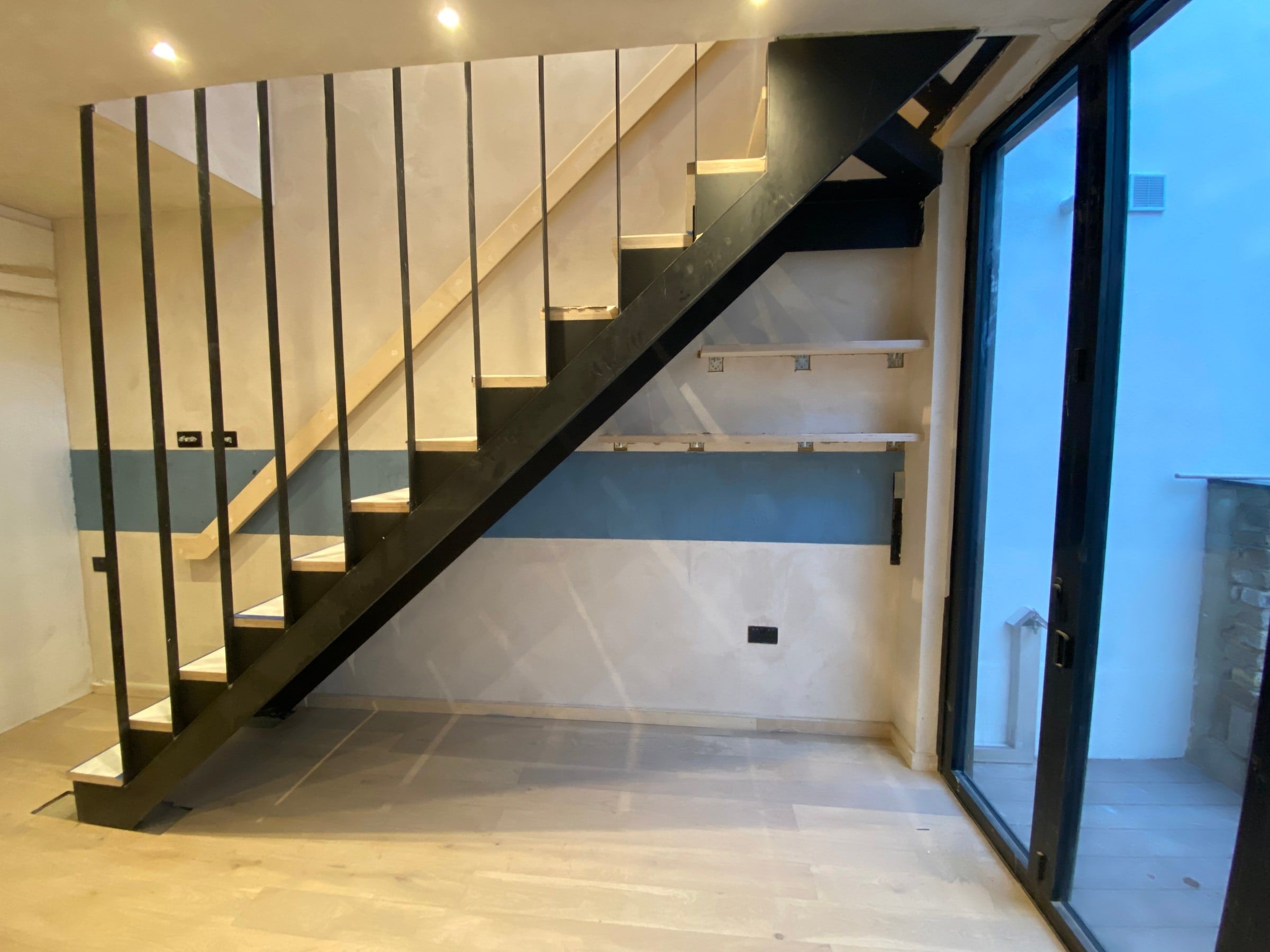
London is one of the most varied and demanding places in the world to build. Whether you are extending a Georgian townhouse, refurbishing a Victorian terrace, converting an Edwardian loft or fitting out an office, the builder you appoint will have a major impact on how the project goes. This guide covers what to look for, how to define your project, and what makes building in London different.
London’s building stock
Across the city you will find Georgian, Victorian and Edwardian houses, Art Deco blocks, mid-century and post-war housing, contemporary new builds, and commercial buildings from listed warehouses to glass office towers. A London builder has to handle traditional construction and modern techniques, often in the same building, and manage London-specific constraints:
- planning and conservation rules that vary by borough
- limited site access in narrow streets
- party wall procedures
- neighbours on every side
- complex logistics for deliveries and waste
Define what you need
“Builder” covers a wide range of services. Clarify your scope first, so you appoint someone with the right experience.
- Residential: refurbishments, extensions, loft conversions, basements, structural alterations, kitchens and bathrooms, joinery
- Commercial: office fit-outs (Cat A and Cat B), retail, hotel and restaurant fit-outs
Then decide whether you want a design and build contractor who manages the whole process, or a main contractor who builds your architect’s design.
What to look for
1. London experience
Knowledge of borough rules, suppliers and specialist trades makes a real difference.
2. Accreditations
Look for membership of the Federation of Master Builders (FMB), TrustMark registration and, for larger sites, the Considerate Constructors Scheme. Check that site managers hold SMSTS or SSSTS.
3. Relevant work
A reputable builder will show you completed projects similar to yours, and let you speak to past clients.
4. Project management
Ask who will run the job day to day, how often you will get updates, and how changes and costs are controlled.
5. Transparent quotes and contracts
You should get an itemised quote and a formal contract that sets out the scope, programme, payment terms, variations, insurance and defects period.
What period buildings need
- Heritage sensitivity: working with original joinery, plasterwork and structure, and using compatible materials such as lime and clay plasters.
- Energy upgrades: better glazing, insulation, airtightness, efficient heating and ventilation with heat recovery, designed so they do not cause damp in older walls.
- Natural finishes: clay plasters, limewash, oiled timber and reclaimed materials.
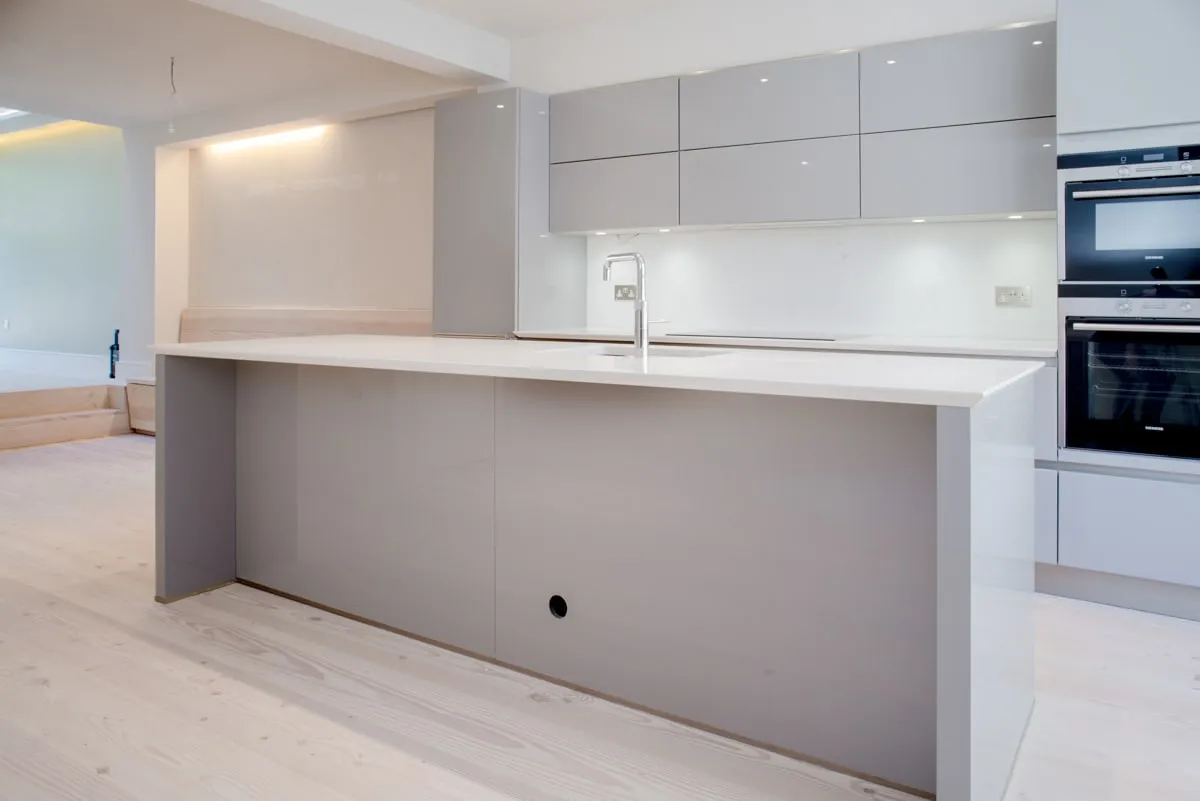
Managing London constraints
- Access: deliveries scheduled, parking suspensions arranged, disruption kept down.
- Neighbours: party wall notices served in time, and neighbours kept informed.
- Occupied homes: many projects are done while the family lives in the house, so phasing and protection need careful planning.
How to choose
- Get recommendations from architects, designers and people who have done similar work.
- Review portfolios and case studies, especially for buildings like yours.
- Meet the builders. A good one will be open about availability, explain their method and programme, and raise risks up front.
- Check references and, if possible, visit completed projects.
- Compare quotes properly. Make sure everyone has priced the same drawings and specification, and check what has been excluded or left as a provisional sum. The cheapest tender can become the most expensive.
Summary
Choosing a builder takes time, but it is the decision that most affects cost, programme and quality. Look for London experience, verifiable work, clear contracts and someone who will actually manage the job.
LACD is a London main contractor and design and build company. See our projects, read the house extension guide, or contact us to discuss your project.